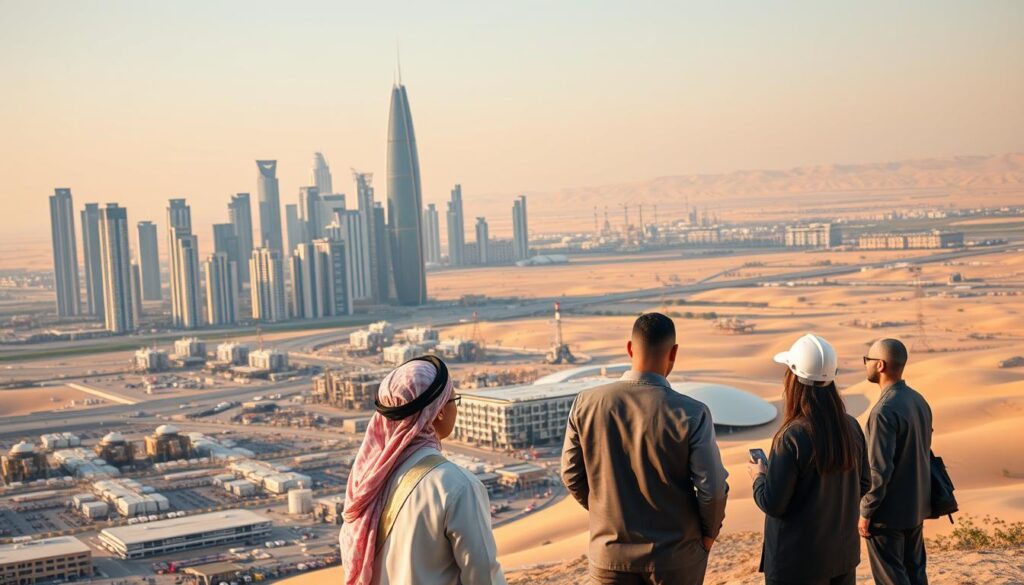

Hi, I’m Shakir Husain, founder of Gulf Job Now. I research job trends across the Gulf and share clear, practical information to help you find real roles fast.
This short report shows how the country’s market leadership and recent development projects are opening high-quality roles across the industry. Major LNG expansions, a large solar plant, and downstream facilities are driving hiring in engineering, operations, HSE, data, and project controls.
You’ll get actionable tips on which teams hire, what credentials matter, and how to turn capacity announcements into a focused job search plan. I’ll map state strategy to real career steps so you can target the right company at the right time.
Key Takeaways
- Big projects mean jobs: LNG and solar scaling creates openings across the value chain.
- Use this report for targeted information on teams and credentials employers want.
- Long-term development plans point to stable roles in-country and across the middle east market.
- Match your skills to practical roles in operations, engineering, data, and controls.
- Read timelines and capacity figures to time your applications and interviews.
Executive snapshot: where the Qatar Energy Sector stands today
My work turns industry moves into clear job steps you can take today. Hi, I’m Shakir Husain, and I translate industry shifts into job moves you can make now, drawing on 7+ years tracking Gulf job trends.
Key indicators: LNG leadership, oil and gas output, and domestic consumption
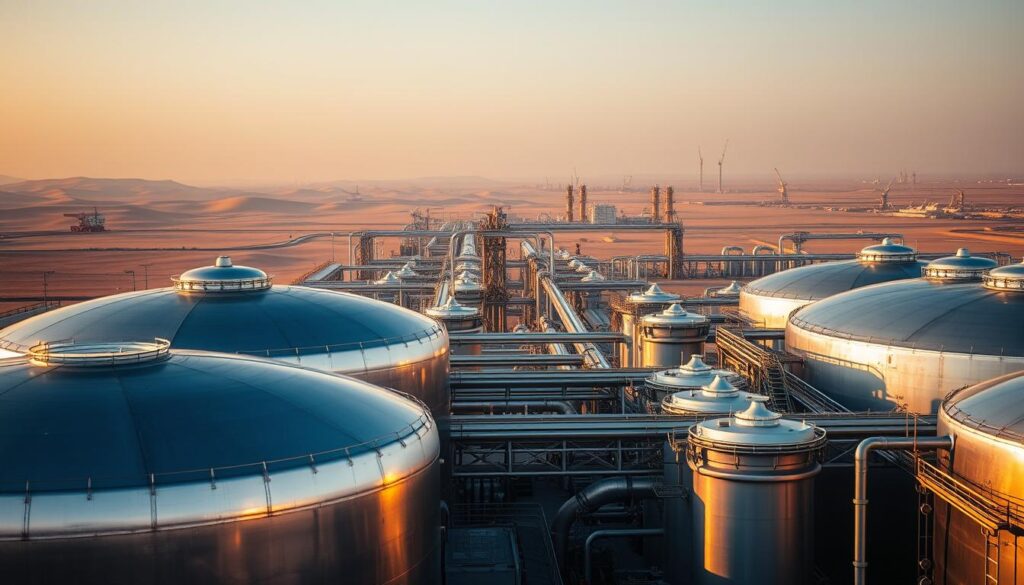
You’re in the world’s top LNG exporter, with output near 77 MMTPA and plans to reach 110 MMTPA by mid-decade. Oil production sits around 1.532 million bbl/day, with exports historically near 1.303 million bbl/day.
Per-capita consumption remains high (about 15,056 kWh in 2016). Kahramaa oversees the grid and Al Kharsaah added 800 MW of solar in 2022. These numbers show rising capacity and steady fuel production.
What it means for you: hiring momentum and skills in demand right now
- Hiring will run for years across upstream, midstream, and LNG operations as projects scale.
- Demand focuses on process engineering, rotating equipment, automation/DCS, cryogenics, CO2 capture, HSE, and reliability roles.
- High domestic consumption and exporter status support openings in scheduling, marine logistics, trading, and data analytics.
Qatar Energy Sector
A strategic pivot away from OPEC in 2019 reshaped the market and your career map. The state qatar formalized that shift on January 1, 2019, and investments since 2007 pushed natural gas production higher. That long run turned export-led growth into hiring for plants, terminals, and logistics.
As oil headlines gave way to a gas-forward portfolio, your practical skills in cryogenics and gas operations gained value. Between 2007 and 2010 population and export volumes rose sharply, and by 2009 about 75% of produced natural gas went abroad. Hydrocarbons still made up a large share of GDP, so roles in project management, HSE, and technical teams stayed strong.
- Processing & terminals: hiring for LNG handling, pipelines, and storage.
- Midstream & marine: scheduling, fleet coordination, and terminal ops grew with exports.
- Reliability & brownfield work: asset integrity and optimization are long-horizon needs across the middle east.
This context sets the stage for North Field expansion and downstream projects you can target now. Focus on cross-functional skills at the interface of pipelines, storage, and terminal operations to stand out.
North Field Expansion and the LNG growth curve
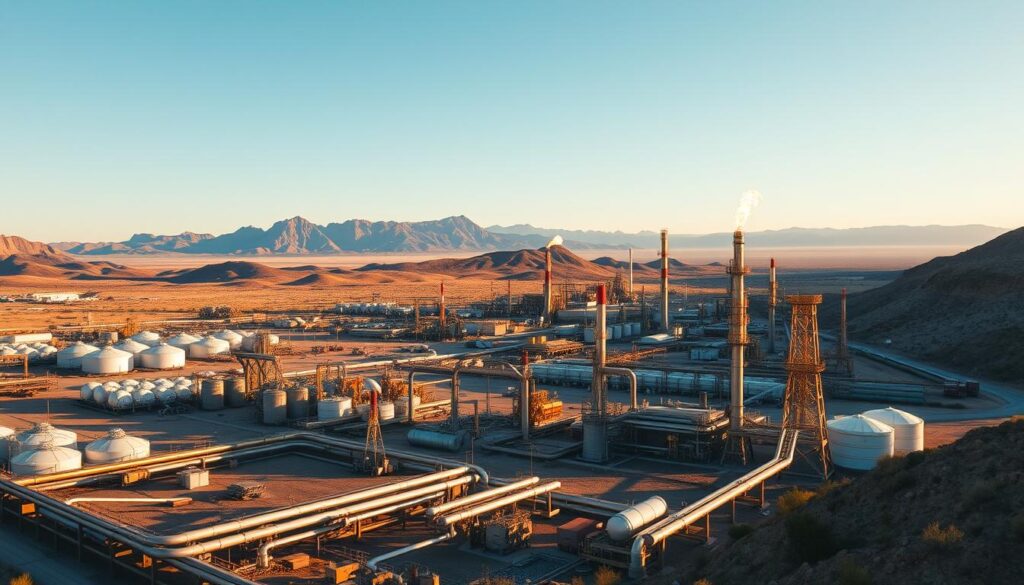
The North Field expansion reshapes hiring timelines and creates clear windows for your applications.
Capacity leap: liquefied natural gas output rises from 77 to 110 MMTPA with production starting Q4 2025, then to 126 MMTPA by 2027. Total production will approach about 1.4 million barrels oil equivalent per day. Reserves of roughly 1,760 TCF support this multi‑year ramp.
Byproducts and value chain
Byproduct streams expand downstream jobs. Expect ~260,000 barrels/day condensate, 5,000 tons/day ethane, 12,000 tons/day LPG, 1,800 tons/day sulfur, and 20 tons/day helium.
CO2 capture and new roles
CO2 capture and sequestration are embedded in these projects. That creates roles in process controls, solvent management, compression, and monitoring for emissions reporting.
Project timelines and hiring windows
| Phase | Peak hiring | Roles |
|---|---|---|
| Pre‑commissioning | 2023–2025 | EPC, QA/QC, welding, NDT |
| Start‑up | Q4 2025 | Operations, cryogenics, storage integrity |
| Plateau | 2026–2027 | Reliability, maintenance, marine scheduling |
- Map your CV to the capacity ramp—apply early for construction roles and target operations around Q4 2025.
- Specialist jobs follow byproduct streams: condensate processing, NGL logistics, and product quality roles.
Oil, gas, and power fundamentals you should know
See how production numbers and demand patterns translate into concrete roles you can pursue. Start with the headline figures so you can align your CV to where hiring happens.
Oil production, exports, and refined products imports in context
Oil production sits near 1.532 million bbl/day (2015), with exports around 1.303 million bbl/day (2013). The country still imports roughly 2,555 bbl/day of refined petroleum products.
What this means for you: trading operations, scheduling, and refinery-interface roles remain important even as gas dominates long-term hiring. Imported products create logistics openings in product quality, terminals, and supply coordination.
Electricity and water systems: Kahramaa’s role in demand and reliability
Transport and residential consumption drive fuel demand. Kahramaa regulates the grid and keeps planning, protection, SCADA, and outage teams busy.
Water-power integration supports desalination and cogeneration jobs. Years of rising demand mean steady hiring in grid expansion and substation commissioning.
| Metric | Key figure | Roles to target |
|---|---|---|
| Oil production | 1.532M bbl/day (2015) | Trading, scheduling, refinery liaison |
| Exports & products | 1.303M exports; 2,555 bbl/day imports | Terminals, product quality, logistics |
| Grid & water | Kahramaa — planning & reliability | SCADA, protection, desalination ops |
- Build skills in load flow, relay coordination, and grid code compliance to stand out in the middle east job market.
Renewable energy and QSTec: solar’s growing footprint
A rapid rise in utility-scale PV makes this a good moment to pivot your career toward solar plant work. You can use hands-on skills from hydrocarbons and move into O&M, grid integration, or manufacturing roles.
Al Kharsaah 800 MW plant and photovoltaic potential
Al Kharsaah (800 MW, completed 2022) expanded national power capacity and created jobs in inverter maintenance, HV evacuation systems, and grid integration.
- QSTec’s polysilicon facility (8,400 MTPY) opens process and quality roles in chemical operations and purity control.
- The country’s solar resource >2,000 kWh/m² and targets of 20% solar by 2030 mean steady hiring in commissioning, SCADA, and performance analytics.
- You can transition by highlighting electrical balance-of-plant, protective relays, and asset performance management skills.
| Asset | Key roles | Output/notes |
|---|---|---|
| Al Kharsaah plant | O&M, inverter tech, grid ops | 800 MW (2022) |
| QSTec polysilicon | Process tech, QA/QC, materials | 8,400 MTPY; 1.1 MW onsite PV |
| Utility PV | Commissioning, analytics, HSE | High solar resource |
Practical tip: Target roles in EPC, quality control, and SCADA on large PV projects. These openings are part of steady development through the next year and beyond.
Localization and supply chain opportunities through TAWTEEN
TAWTEEN opens clear supplier paths that let you turn local demand into steady contracts.
TAWTEEN, led by QatarEnergy, links operating companies, government bodies, and supporting industries to channel investment and supplier development. You can use the program to qualify as an approved vendor for large projects.
How the program creates investment and SME entry points
The initiative offers technical support and partner networks so SMEs build capability fast. Your company can earn approved supplier status and access long-term framework agreements.
Focus on quality: the program favors firms that show strong QHSE systems and reliable delivery. That focus helps convert certifications and track records into repeat work.
Priority categories: services, technology, and manufacturing niches
- TAWTEEN targets rotating equipment services, valves, instrumentation, and digital solutions.
- Local supply gaps include welding, calibration labs, and condition monitoring—these are frequent openings.
- SMEs can move into plant maintenance, fabrication, and inspection through training and partnerships.
| Priority area | How you benefit | Typical roles |
|---|---|---|
| Rotating equipment | Access to long-term maintenance contracts | Repair techs, condition monitoring |
| Instrumentation & valves | Preferred bidder lists for installation work | Calibration, field technicians |
| Digital solutions | Partnerships with EPCs and operators | SCADA specialists, asset analytics |
| Fabrication & inspection | Entry to project supply chains | Welders, inspectors, QA/QC |
Use TAWTEEN to position your profile where demand is steady. Emphasize timely delivery, safety, and measurable development in skills to win work in this growing sector.
Global reach: partnerships, projects, and exports
Global partnerships extend your career map beyond local plants into big, cross-border projects. You can pursue roles tied to joint ventures and multinational teams that move people, skills, and knowledge across borders.
Golden Pass and international stakes
Golden Pass LNG in the united states is a major JV where the company holds 70% and ExxonMobil holds 30%. The terminal capacity is 15.6 million metric tons per year.
There was a combined investment of about $18B into Gulf-linked projects and a Texas petrochemical plant. That scale means lasting demand in commissioning, operations readiness, and terminal services.
Strategic partners and career pathways
- Company partners like ExxonMobil, Chevron, and ConocoPhillips widen your employer options from EPCs to tech providers.
- Experience with u.s. codes and oil gas processes adds clear value for cross-border roles.
- These projects boost export capability and create roles in trading, shipping, and commercial teams.
| Project | Stakeholders | Capacity / investment |
|---|---|---|
| Golden Pass LNG | Qatar stake, ExxonMobil | 15.6 million metric tons / $10B |
| Texas petrochemical plant | CPChem, local partners | $8B investment / world-scale plant |
| JV & EPC ecosystem | McDermott, Zachry, Honeywell, GE | Long-term roles: commissioning, O&M, trading |
Your career pathways: roles, skills, and certifications to pursue
Targeted skills and the right certificates can turn large projects into steady career steps for you. I’ve spent 7+ years mapping Gulf job trends so you can prioritize what moves the needle in applications.
Core upstream / downstream roles across LNG, petrochemicals, and power
Work in Ras Laffan or Mesaieed and you’ll see openings at qatar energy, Qatargas, QAPCO, QAFCO, and Q-Chem.
For LNG and oil gas facilities, prioritize roles in process, mechanical, E&I, rotating equipment, cryogenics, and DCS. Employers value turnaround and commissioning exposure.
Green skills: solar, carbon management, and efficiency engineering
Al Kharsaah and QSTec grow demand for solar O&M, inverter tech, and manufacturing skills.
Learn energy audits, solar design, and carbon accounting tied to CCUS technology and reporting standards to widen your options.
Compliance, HSE, and operations excellence in industrial cities
Compliance and HSE roles favor NEBOSH, IOSH, and process safety credentials. Operations excellence roles seek Lean, Six Sigma, and reliability engineering certifications.
Your resume should also show agreement exposure—framework agreements, SLAs, and vendor agreements—to prove you can manage commercial and technical interfaces.
- Quick wins: add DCS, SCADA, relay protection, and rotating-equipment experience.
- Green edge: get carbon accounting or solar O&M credentials.
- Compliance: list NEBOSH/IOSH and any process-safety courses.
| Role focus | Key skills | Suggested certs |
|---|---|---|
| Process & mechanical | Turnarounds, commissioning | API, process-safety |
| Power & utilities | SCADA, protection, asset mgmt | IEC, relay training |
| Green & CCUS | Solar O&M, carbon reporting | Energy auditor, carbon accounting |
This report helps you align skills to hiring cycles at qatar energy and partner companies across industrial cities. Use it to target roles that match your experience and the market timing this year.
About the author: guidance you can trust
My goal is to give you simple, verified guidance so you can act with confidence.
Hi, I’m Shakir Husain—7+ years tracking Gulf job trends for you
Hi, I’m Shakir Husain, founder of Gulf Job Now. With over 7 years researching career development and job trends in Gulf countries, I created this platform to help you find genuine, updated job information.
I’ve analyzed LNG expansion, the major solar build-out, and localization programs using official and industry sources. That work covers capacity, timelines, and key companies operating in the State Qatar and the wider middle east.
- Trusted coverage: you can rely on my years of reporting across countries to turn complex moves into clear job strategies.
- Practical tips: I focus on actions you can use right away—certificates, timing, and where to apply.
- Evidence-based: this report blends public data with employer signals to highlight real roles at real timelines.
- Wider search: I track partner ecosystems so you can target operators, EPCs, OEMs, and service providers.
| What you get | Why it matters | Next step |
|---|---|---|
| Clear timelines | Apply at the right hiring window | Update CV to project gates |
| Role mapping | Match skills to jobs | Target shortlisted employers |
| Certification focus | Improve hireability | Enroll in priority courses |
Conclusion
This report gives you a clear action plan to turn major gas projects into real job opportunities. Use it to focus your CV, pick certs, and time outreach around hiring windows tied to the North Field and related development.
Near-term demand centers on natural gas and liquefied natural gas work: commissioning, operations, integrity, and maintenance for rising production and capacity. Byproducts such as condensate and LPG create niche roles in fractionation, storage, and export logistics across the middle east.
Power, water, and plant expansions mean steady openings in grid and desalination teams. Partnerships and agreements—local and international, including the Golden Pass million metric tons link—give you routes into multinational companies and JV roles.
I’m here to help you act on this report—target export-facing teams, sharpen project controls experience, and apply at the right year and gate to land interviews faster.
FAQ
How is the national gas and oil industry creating new career paths for you?
The country’s moves to expand liquefied natural gas capacity and diversify into downstream products mean fast growth in hiring. You’ll find roles across project management, engineering, operations, and digital analytics as companies scale production, build new plants, and add petrochemical and helium units. Emphasize hands-on technical skills, safety certifications, and project experience to stand out.
What are the current industry indicators you should watch?
Look for LNG capacity targets, daily oil output, domestic gas consumption, and major export agreements. Rising export volumes and new international stakes signal hiring momentum. Also track condensate, LPG, and ethane production — these byproducts drive downstream jobs in refining and petrochemicals.
How does the North Field expansion affect job opportunities?
The planned boost in liquefaction capacity creates multi-year construction, commissioning, and operations windows. Expect demand for EPC contractors, field engineers, instrumentation specialists, and commissioning teams. Later phases will need operations staff, maintenance crews, and CO2 management specialists.
Which byproduct and value-chain areas are growing and hiring?
Condensate handling, LPG processing, ethane separation, sulfur recovery, and helium extraction all expand as projects scale. These areas need chemical engineers, process operators, maintenance technicians, and supply-chain planners to manage product quality and logistics.
What green and low-carbon roles are emerging?
Carbon capture and storage, emissions monitoring, and efficiency engineering are gaining importance. You can move into carbon management specialist roles, CCS project engineers, or energy-efficiency analysts. Solar project development and grid integration work also open paths in renewables.
When should you target hiring windows tied to major projects?
Major expansions have distinct phases: FEED and EPC phases hire design and construction talent, while commissioning and start-up need specialists and technicians. Monitor project timelines and announcements — recruitment surges typically occur during late design through construction and again at pre-commissioning.
How does localization policy affect your chances as a small business or contractor?
National localization programs create procurement opportunities for SMEs and local suppliers. Focus on meeting quality standards, obtaining required certifications, and partnering with established contractors. Priority categories often include services, manufacturing components, and technology solutions.
What technical and safety certifications should you pursue?
Industry-standard credentials boost your employability: NEBOSH or IOSH for safety, multi-skilled electrical and instrumentation certifications, welding qualifications, and asset integrity courses. For project roles, PMP or APM certifications help; for technical roles, API and ISO-related training is valuable.
Which global partnerships matter for export and project work?
International joint ventures and stakes with major Western majors drive technology transfer and project pipelines. Look for collaborations with firms like ExxonMobil, Chevron, and ConocoPhillips, as these partnerships often bring long-term project and training opportunities you can join.
How can you transition from oil-and-gas roles into renewables and tech-focused jobs?
Transferable skills include project management, systems engineering, controls and instrumentation, and operations excellence. Upskill with solar PV, battery storage, or carbon-management courses, and seek hybrid roles in grid integration or energy digitalization to bridge sectors.
What are realistic entry points for recent graduates?
Graduate programs, internships with major operators, and trainee schemes at engineering firms are common entry paths. Target roles in operations support, field supervision, planning, and technical services while you gain on-the-job experience and safety qualifications.
How important is digital and data expertise in your job search?
Very important. Companies are investing in digital twins, predictive maintenance, and asset-performance platforms. Skills in data analytics, SCADA systems, PLC programming, and cloud-based monitoring increase your value across upstream, midstream, and downstream roles.
What should you know about power and water systems when applying for energy roles?
Knowledge of grid reliability, power generation basics, and utility operations helps, especially for combined-power-and-water projects. Familiarity with the national utility’s role in demand management and emergency response boosts your profile for integrated infrastructure positions.
How do you prepare for interviews with major operators and EPC firms?
Focus on measurable achievements, safety mindset, and project examples that show problem-solving under pressure. Prepare technical answers relevant to the role, highlight certifications, and demonstrate adaptability through examples of cross-functional teamwork.
What local content and procurement rules will affect suppliers and contractors?
Procurement rules prioritize local sourcing, workforce development, and technology transfer. Suppliers need to meet vendor registration requirements, provide evidence of local partnerships or investment, and align bids with localization goals to win contracts.
Where can you find reliable project and hiring updates?
Follow official operator announcements, industry reports, and major international press covering oil, gas, and LNG markets. Also monitor job portals, LinkedIn company pages, and trade publications focused on petrochemicals and power for timely openings.
Who can mentor you as you enter this industry?
Seek mentors from experienced engineers, project managers, or HR professionals within operators, EPC contractors, and service companies. Professional associations and alumni networks also help you connect with advisors who provide sector-specific career guidance.
What soft skills will improve your career prospects here?
Clear communication, teamwork, resilience under pressure, and situational leadership matter a lot. Combine these with diligence in safety culture and continuous learning to advance quickly in operations and project environments.
How should you present your CV for technical and operational roles?
Keep it concise and outcomes-focused. List hands-on experience, specific tools and systems you’ve used, safety certifications, and measurable achievements like uptime improvements or cost savings. Tailor the CV to the job by mirroring keywords from the role description.