

Hi, I’m Shakir Husain, founder of Gulf Job Now. After seven years studying Gulf hiring and city life, I wrote this guide to give you clear, practical information to help you plan your move and settle in with confidence.
You’ll learn how safe this country feels—Qatar ranks first on the Numbeo Safety Index—and why many people choose to live here. Expect notes on tax-free income, thriving neighborhoods like The Pearl-Qatar and Lusail City, and reliable transport such as the Doha Metro and Lusail Tram.
This section also covers healthcare anchors like Hamad Medical Corporation and Sidra Medicine, plus cultural spots and weekend escapes from museums to the Inland Sea. I’ll connect each topic to real choices you’ll make in your first year so your transition feels smooth and hopeful.
Key Takeaways
- You’ll get a friendly overview of daily life and safety for expats.
- Tax-free income and diverse communities make settling easier.
- Top neighborhoods and transit options help you pick where to live.
- Healthcare and schools are accessible; know which providers to prioritize.
- Cultural tips and leisure ideas will guide respectful, relaxed exploring.
What Is the Lifestyle of Qatar
Arriving in Doha, you’ll notice a clear rhythm to daily life that helps newcomers settle fast. The city blends Arabic heritage with modern comforts, and English is widely used at work and in shops.
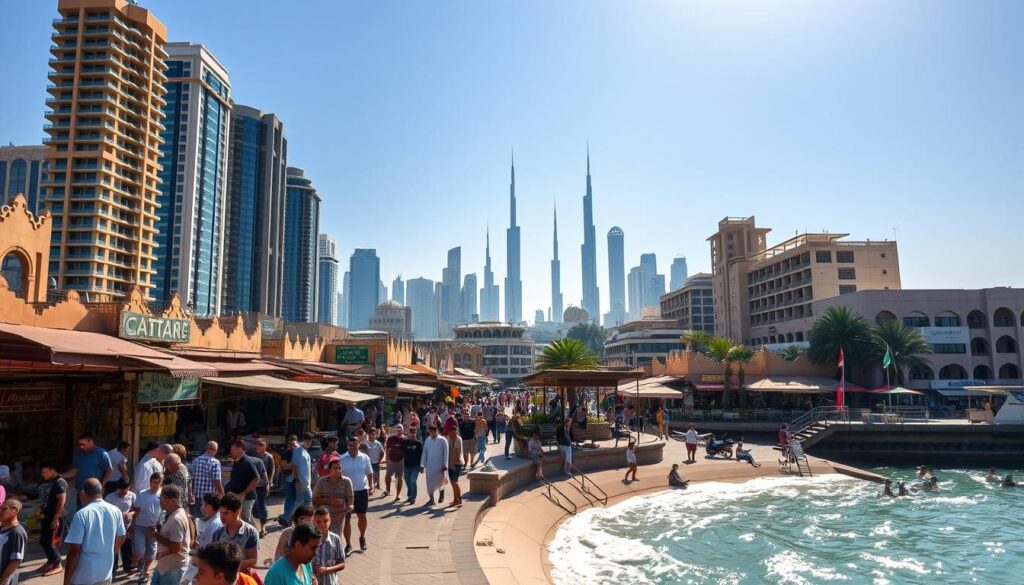
Daily life follows a pattern: busy mornings, a quiet hot-afternoon lull, and lively evenings along the Corniche, Souq Waqif, and malls.
The transport system—Metro, Tram, buses, and taxis—makes commuting smooth between business districts, schools, and leisure places.
- The social scene is family-focused; you’ll meet people from dozens of backgrounds in neighborhoods and workplaces.
- Dining spans street shawarma and karak to fine restaurants, so food options suit fast runs and special nights.
- During Ramadan, many venues change hours; expect daytime closures and warm late-night community gatherings.
- Cultural access is excellent, with galleries, museums Islamic exhibits, and dedicated Islamic art programs for students and visitors.
Your first impression: a safe, polished city with strong services that help you adapt while you learn local routines and friendly norms.
Why this guide matters to you in 2026
Use this resource to match career goals with real neighbourhoods, schools, and commute facts. You’ll get focused, practical steps that link job offers to daily life and family needs. That clarity matters now more than ever.
Hi, I’m Shakir Husain — 7+ years tracking Gulf hiring trends for expats
Hi, I’m Shakir Husain, founder of Gulf Job Now. With over 7 years of hands-on research into Gulf hiring trends, I curate relocation information that aligns lifestyle with job markets, schools, and long-term plans.
Doha has changed fast: the Metro opened in 2019 and cultural landmarks such as the National Museum of Qatar now rank among world-class assets. About 88% of the population are foreign nationals, so you join a truly international workforce.
- Plan for opportunities: match roles to neighbourhoods and commute times.
- Avoid common mistakes: watch school application windows and summer schedules.
- Think beyond salary: include housing, flights, schooling, and health cover in offers.
This guide helps you see how infrastructure and services will shape your first 90 days and your year ahead. Use it as a compact toolkit to move, settle, and build a life that fits your goals in this fast-evolving city.
Safety, stability, and community feel
A sense of security greets newcomers across neighborhoods and waterfronts. Qatar ranked first on Numbeo’s Safety Index in 2023, and you’ll feel that low-crime environment during school runs and evening walks.
Stability shows up in daily services. Public administration runs efficiently, which makes documents, utilities, and healthcare easier to manage. Hamad Medical Corporation and Primary Health Care Corporation clinics are spread across the city for quick access.
- You’ll meet people from a wide international mix — over 85 nationalities — so neighbours often share tips and local advice.
- Community life thrives in compounds and mixed-use areas where groups organise activities and support new arrivals.
- Family-friendly design is common: parks, malls, and waterfronts include stroller paths and play areas.
| Feature | What to expect | Quick benefit |
|---|---|---|
| Safety | Low street crime, visible security patrols | Comfort for nights out and school runs |
| Services | Efficient government processes and well-kept infrastructure | Less stress for paperwork and utilities |
| Healthcare | Hamad Medical Corporation, PHCC clinics, urgent care options | Fast access in emergencies |
| Social fabric | Large international population, active neighbour groups | Easy to find trusted recommendations |
Overall, strong services plus supportive neighbours help you settle faster. The calm, predictable routine makes it easier to build friendships and feel anchored early in your move.
Climate and seasons: planning your year
Your calendar will follow two clear seasons: a hot, humid stretch and a mild, sunny period.
From May to September, temperatures often top 40°C (105°F) in Doha, with strong humidity that makes midday outside time uncomfortable. You’ll move errands to early morning or after sunset and choose indoor gyms and malls on the hottest day.
In cooler months, you’ll enjoy parks, Corniche walks, beach days, and desert trips. Sandstorms occur now and then, so keep an eye on air quality alerts and plan indoor options when visibility drops.
- Summer rhythm: evenings get busier; venues adapt hours for comfort.
- Indoor comfort: homes and offices use strong AC, so indoor life stays steady.
- Family tips: hydrate infants and pets, and time school pickups for cooler periods.
| Season | Typical conditions | Best activity times |
|---|---|---|
| May–Sep | Hot, humid; >40°C; occasional sandstorms | Early morning, after sunset |
| Oct–Apr | Mild, sunny; rare rain; pleasant days | Daytime outdoor activities, road trips |
| All year | Well-insulated buildings, reliable AC | Indoor sports in summer, outdoor leagues in winter |
Cost of living and monthly budgets
Budgeting for life in Doha starts with a clear split between fixed bills and flexible fun. Doha ranks 126th on the Mercer cost index, so you’ll find trade-offs: lower rent than many Western cities, but higher grocery prices because of imports.
Housing, utilities, groceries, and getting around
Housing is usually your biggest monthly expense. Check whether your offer includes rent or an allowance before you sign.
Utilities rise in summer because of air conditioning. Use smart thermostats and good insulation to cut bills.
Groceries can surprise you; bulk buys and local markets help. The public transport system—Metro, Tram, and buses—keeps daily travel cheap compared to frequent taxis.
Where you’ll splurge vs. where you’ll save
- Separate big-ticket items (rent, schooling) from variable spends (restaurants, leisure, malls).
- Save by using transit for commutes and reserving taxis for special trips.
- Choose when to splurge: fine dining or events; balance with affordable canteens and shawarma spots.
| Category | Typical impact | Quick tip |
|---|---|---|
| Rent | Largest monthly cost | Negotiate package or allowance |
| Utilities | Higher in summer | Smart thermostat, seal gaps |
| Groceries & dining | Imports raise prices | Buy in bulk; pick local markets |
With clear planning, you’ll control cost and enjoy life as expats do while keeping living Qatar affordable and comfortable.
Housing in Doha: how expats choose a home
Choosing a place to live here starts with a clear list of priorities: commute, space, and community.
You’ll find three common options. Compounds offer shared pools, gyms, and social events. High-rise apartments cluster in West Bay and The Pearl for city convenience. Villas sit in suburban districts when you need more room for family and guests.
Lease terms usually run 12 months and often use post-dated checks. Freehold ownership is possible in select zones like The Pearl and West Bay. Msheireb offers long leaseholds up to 99 years for foreign investors.
- Prioritize proximity to the Metro, Tram, or expressways over extra square meters when commute time matters.
- Map morning school runs and traffic if schools are key to your routine.
- Check if utilities, maintenance, and parking are included before you sign.
| Option | Typical areas | Quick tip |
|---|---|---|
| Compound | Suburban districts | Great for community and social life |
| Apartment | West Bay, The Pearl | Closer to work and transit |
| Villa | Outer neighbourhoods | More space, think about commute |
Tour both new and older buildings to compare finishes and value. Shortlist two or three areas that meet budget, commute, and lifestyle needs. That approach helps you secure a stable first lease and enjoy living qatar from day one.
Best areas to live in the capital
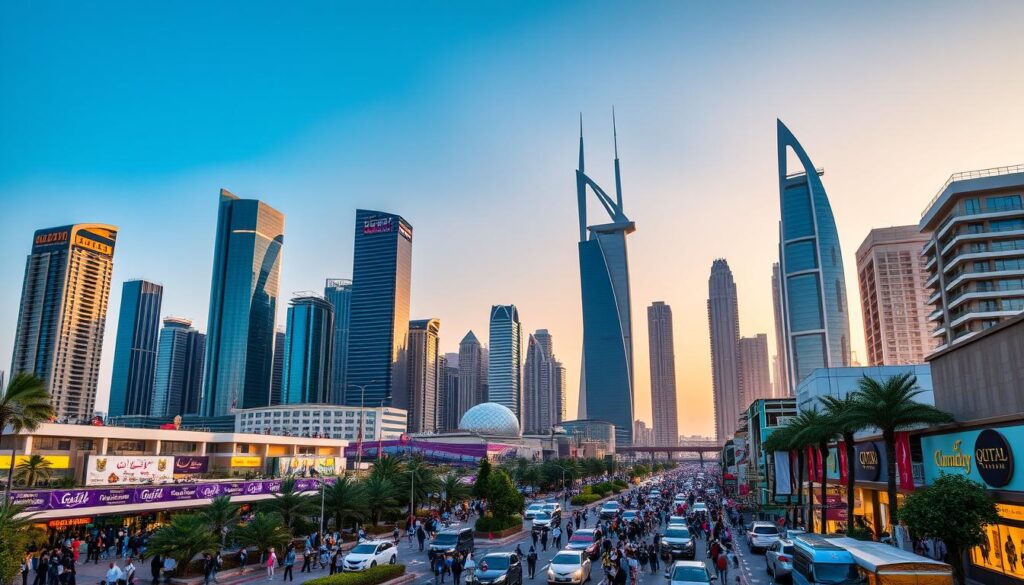
Pick a neighbourhood that matches how you live day to day. Look at commute times, school runs, and evening options before you decide.
The Pearl-Qatar: waterfront living and freehold perks
The Pearl has marinas, towers, and villas with luxury shopping and dining nearby. It’s a freehold zone that attracts investors and those who want a waterfront home close to plenty of restaurants and boutiques.
Lusail City: smart districts and island life
Lusail spans 38 sq km with four islands and 19 mixed-use districts. Its smart-city design and new parks suit expats who want modern, master-planned places and growing community vibes.
Msheireb Downtown: sustainable, central, leasehold options
Msheireb sits in the city heart. Expect shaded walkways, green buildings, and leasehold offers up to 99 years for foreign investors. You’ll be steps from museums, cafés, and public transport.
West Bay: skyline views, schools, and five-star facilities
West Bay puts offices, top schools, and five-star hotels within a short radius. Choose it if you value quick links to business hubs and large facilities for family life.
- Check grocery access, clinics, and pet-friendly rules for daily comfort.
- Visit each area at different times to judge traffic, parking, and community feel.
- If you host often, test visitor parking and lobby access before you commit.
| Area | Key feature | Best for | Ownership |
|---|---|---|---|
| The Pearl | Marinas, luxury dining | Waterfront living, nightlife | Freehold |
| Lusail | Smart-city, islands | Modern planned communities | Freehold |
| Msheireb | Sustainable downtown | Cultural access, central life | Leasehold (up to 99 yrs) |
| West Bay | Skyscrapers, hotels | Work-life convenience, schools | Freehold |
Getting around: Metro, Tram, buses, and roads
Transit choices here let you mix fast mass transit with flexible door-to-door options. The system blends underground Metro lines, a local tram, wide bus coverage, and modern expressways so you can plan trips that fit time and budget.
Doha Metro lines and key station links
The Doha Metro runs three lines with 37 stations, mostly underground. It connects major hubs across the city and links suburbs to the capital.
Tip: Use interchange stations and park-and-ride facilities for easy commutes from outer districts.
Lusail Tram connections to the city
The Lusail Tram has four lines and 25 stations. It links to the Metro at Lusail and Legtaifiya, filling local gaps for new developments and daily errands.
Buses, taxis, and ride-hailing tips
Mowasalat-Karwa runs about 50 AC bus routes with low-floor access and wheelchair space. Luxury buses serve longer routes like Al Khor and the Airport Express.
Ride-hailing and taxis are plentiful, but expect surge pricing during big fifa world cup legacy events and concerts. Keep a Metro or Tram card handy for speed and savings.
Driving culture, expressways, and parking
The Expressway Program upgrades major corridors, so driving on modern roads is straightforward. Allow extra time near malls and waterfronts at peak hours.
- You’ll likely combine Metro for cross-city trips and cars for errands.
- Test school-run routes at bell times; a few minutes can change your morning.
- Parking varies: underground lots in new buildings and tighter street parking near dining strips.
| Mode | Coverage | Best use |
|---|---|---|
| Metro | 3 lines, 37 stations | Reliable cross-city travel |
| Tram | 4 lines, 25 stations | Local links in Lusail |
| Buses | ~50 routes | Budget trips and neighbourhood access |
Healthcare made easy
There’s a clear, practical path for medical care in Doha that helps you plan visits and emergencies with confidence.
Public and private options: HMC, PHCC, and Sidra Medicine
Hamad Medical Corporation leads Qatar’s academic network, combining research, education, and clinical care across hospitals. For routine needs, you’ll register at a nearby PHCC centre, then use HMC for specialist referrals or emergencies.
Sidra Medicine focuses on women’s and children’s services within a research and education setting. Employer insurance often defines which clinics you use, so check co-pays, direct billing, and locations early.
Sports medicine and wellness: Aspetar and beyond
Aspetar offers specialized orthopedics and sports care at a world-class level for athletes and active residents. Private hospitals and clinics add flexible appointment times and a wide range of specialists.
- Keep digital copies of records to speed referrals and second opinions.
- Book pediatric check-ups early; popular slots fill fast.
- Know the nearest urgent care locations for quick response.
| Provider | Best for | Quick tip |
|---|---|---|
| PHCC | Routine care, vaccinations | Register locally for faster access |
| HMC | Specialist care, emergencies | Use HMC for referrals and complex cases |
| Sidra | Women & children, research-linked care | Book early for specialist clinics |
Overall, the health system gives you timely, reliable options. With modern facilities and clear referral paths, you’ll find care that matches your needs and lifestyle.
Education pathways for families and students
Your child’s school can become a community hub and a key part of settling in. Qatar has over 500 public and private schools serving more than 396,000 students, and options span multiple curricula.
K-12 landscape: public, private, and curricula choices
You’ll find British, American, IB, and Indian boards across major neighbourhoods. Admissions vary, so start inquiries 9–12 months before your move.
Routes, start times, and after-school programs shape daily life. Confirm health checks and immunization needs early to avoid delays.
- Plan early: popular grades fill fast; ask about rolling admissions if you arrive mid-year.
- Daily logistics: map bus routes and peak traffic to match your work schedule.
- Parent links: schools use portals, newsletters, and events to build local networks.
Higher education: Education City and Qatar University
Education City hosts global branch campuses, research centres, and community events that boost networking. Qatar University provides national programs aligned with international standards and solid internship paths.
| Level | Key feature | Quick tip |
|---|---|---|
| K-12 | Diverse curricula; 500+ schools across the country | Start admissions 9–12 months ahead |
| Education City | International campuses and research hubs | Attend public events to meet peers and faculty |
| Qatar University | National university with research and internships | Compare degree requirements and placement routes |
Culture and heritage in a modern city
Doha’s cultural scene mixes ancient craft with fresh, modern design, inviting you to explore at your own pace.
Start with landmark museums. The Museum of Islamic Art presents works spanning 1,400 years and three continents. Nearby, the National Museum of Qatar uses immersive galleries to tell the country’s story and give context to daily life.
Art venues and cultural hubs
Katara Cultural Village hosts exhibitions, concerts, and seasonal festivals year-round. You’ll find steady programming for families and public talks that help you learn fast.
Markets and traditional experiences
Souq Waqif keeps a traditional market feel with mud-daubed buildings and winding alleys. Taste local food, shop for crafts, and pair visits with Corniche walks or a dhow cruise to make a full afternoon.
- You’ll explore the museum’s Islamic galleries and waterfront views to grasp regional design.
- Cultural etiquette is simple: modest dress, polite greetings, and respect during prayer times.
- Many places are photogenic, but always ask before photographing people or prayer areas.
| Place | Highlight | Best for |
|---|---|---|
| Museum of Islamic Art | 1,400 years of art | Islamic art & design |
| National Museum | Immersive galleries | Country story & history |
| Katara & Souq Waqif | Festivals and markets | Live events & crafts |
Dining, food culture, and malls
Doha’s dining scene mixes street staples with high-end tasting menus that rival global food capitals.
You’ll graze from roadside karak and shawarma to chef-led venues such as Nobu Doha and other Michelin-level restaurants. Late nights are normal; many spots stay open past midnight on weekends.
Pair a visit to the Museum of Islamic Art with a Corniche walk and dinner for a memorable evening. Malls act as social hubs where people meet after work for cafés, cinemas, and family play zones.
Practical tips for eating out
- You’ll move between budget family-run eateries and tasting menus with skyline or waterfront views.
- Brunches fill fast in peak season—reserve ahead for popular restaurants.
- If you avoid alcohol, mocktail menus are creative and widely available.
- Delivery apps work well, but dine-in to enjoy service and ambiance.
| Category | What to expect | Quick tip |
|---|---|---|
| Street stalls | Karak, shawarma, generous portions | Great value for everyday meals |
| Chef-driven | Rooftop and waterfront tasting menus; Nobu and peers | Book in advance for weekends |
| Malls | Global brands, cinemas, family zones | Evening social hub and reliable weather-proof place |
Make a shortlist of go-to places near home and work to simplify weekday meals. Note which neighbourhoods specialise in specific cuisines so you can satisfy cravings fast. Keep one memorable place saved for guests and special nights.
Leisure, outdoors, and weekend escapes
Weekends here lean toward outdoor escapes, from coastal paddles to starry desert camps. You can pick short trips or full overnight adventures to relax and explore nearby natural places.
Head to Khor Al Adaid, a UNESCO-recognized spot where sea meets sand. You’ll plan dune bashing, camel rides, and overnight Bedouin-style camping for a memorable night under the stars.
Beaches and water activities
Try kite surfing, parasailing, wakeboarding, or sailing along Qatar’s coast. Kayaking in Al Thakira Mangroves and diving trips add variety for all skill levels.
- Tour operators offer a wide range of packages, from beginner lessons to advanced coaching.
- Book lessons early in cooler months when events and crowds peak.
Parks, Corniche strolls, and family fun
Family days are easy with shaded play areas and the Corniche promenade for bikes and calm walks. Parks host seasonal markets and outdoor events that fill your calendar with local activities.
| Activity | Best season | Tip |
|---|---|---|
| Desert camping | Oct–Apr | Go with guided groups for safety and gear |
| Kite surfing & wakeboarding | Nov–Mar | Book lessons; check wind forecasts |
| Mangrove kayaking | Year-round (cooler months best) | Bring water, sun protection, and light layers |
Start guided trips if you’re new to outdoors here. Pack light layers for cool mornings and bring a short weekend list so you always have a backup plan for action or a slow day by the sea.
Sports nation: events and everyday fitness
Sporting energy pulses through the city year-round, from casual runs to headline tournaments.
Top-level tennis and golf sit beside motorsport weekends, creating a packed calendar of events. Doha Golf Club welcomes players with multiple courses and practice facilities for all levels. Legacy venues from the fifa world cup now open for community use and concerts.
From tennis and golf to F1 and legacy stadiums
You’ll see world-class tennis tournaments here, and regular golf competitions at club grounds. Stadiums built for major tournaments host local leagues, fitness classes, and music shows.
Gyms, leagues, and National Sports Day
Gyms range from boutique studios to large clubs near most homes. National Sports Day brings free classes, park workouts, and family activity zones.
- Top picks: tennis courts, golf ranges, and motorsport weekends light up city life.
- Legacy stadiums host community leagues, concerts, and open training sessions.
- Amateur leagues in football, tennis, and running are welcoming to new players.
- Winter months favor outdoor cycling, park bootcamps, and group runs.
- Check venue schedules before planning, since major events affect traffic and bookings.
| Feature | Benefit | Quick tip |
|---|---|---|
| Tennis tournaments | High-level matches and coaching | Book courts early in peak season |
| Golf facilities | Multiple courses, practice areas | Join a club for discounts and leagues |
| F1 and fifa world cup venues | Large-capacity arenas reused for community sport | Expect busy roads during global events |
With many options nearby and ongoing investment in sports building and community system, staying active becomes an easy, social habit.
Work-life balance, opportunities, and etiquette
Professional life blends global standards with local customs, so timing and tone matter. You’ll find workdays shaped by respectful routines, clear schedules, and regular check-ins. English is widely used, yet local customs influence meetings and approvals.
Office culture, wasta awareness, and respectful dress
Punctuality and relationships count. Teams value courteous communication and steady follow-up. Build trust through patience and consistent delivery.
Wasta refers to influence and networks. Focus on professionalism and clear paperwork when you navigate government or company processes.
Dress modestly in public and especially in government buildings. Cover shoulders and knees, and choose neat, conservative outfits for formal meetings.
Ramadan rhythm, prayer times, and public norms
During Ramadan expect shortened work hours and adjusted service timetables. Plan meetings outside peak fasting hours and be mindful that eating or drinking in public by day is not permitted.
Friday prayers shift parts of the week; some services and shops change schedules in family areas. Alcohol is available only at licensed venues, so adapt plans accordingly.
- Network across industry meetups and community groups to find new opportunities.
- Keep a solutions-focused, friendly tone in conversations; it builds quick rapport with people here.
- Observe local norms when unsure, and ask politely for guidance to avoid missteps.
| Area | Expectation | Quick tip |
|---|---|---|
| Office culture | Collaborative, punctual, relation-driven | Be on time and follow up with notes |
| Government processes | Formality, paperwork, occasional reliance on networks | Prepare documents and remain patient |
| Public norms | Modesty and respect, prayer schedules observed | Plan around prayer times and Ramadan rules |
| Networking | Industry events, alumni, volunteer groups | Attend local meetups to find opportunities |
Conclusion
A short checklist helps you turn a job offer into a welcoming, workable home.
Start by choosing an area that fits commute and school needs. Map routes, confirm housing, and set a realistic budget so your first year feels steady.
Use public services and local clinics for quick support, and register important documents with government channels early. That makes healthcare and paperwork simpler when you need them.
Doha links you to the wider world and to a large community of expats from around the world. Lean on neighbours and local groups — people here share tips fast.
Keep goals simple, revisit plans after a few months, and you’ll shape a home that supports work, family, and a full year of new experiences.
FAQ
How would you describe daily life and the community feel in Doha?
You’ll find a safe, stable city with a strong sense of community. Expats form large, active networks, and you’ll meet people from around the world at malls, cafes, schools, and community centres. Doha mixes modern amenities with traditional neighbourhoods, so you get convenience alongside cultural experiences.
What climates and seasons should you plan for?
Summers are very hot and humid from June to September, so you’ll live mostly indoors or by the coast. Mild winters from November to March are ideal for outdoor activities, sporting events, and desert trips. Plan holidays and outdoor plans around these seasons.
How much does living in Qatar cost each month?
Costs vary by lifestyle. Expect housing to be your biggest expense—compounds and waterfront apartments cost more. Utilities, groceries, and transport are reasonable. You can save on food by shopping local markets and eat out at many price points. Create a budget covering rent, utilities, schooling, healthcare, and leisure.
What housing options will you find as an expat?
You can choose compounds, apartments, or villas. Compounds offer gated communities with pools and family amenities. Apartments suit singles or couples and range from central high-rises to quieter suburbs. Villas give space and privacy. Leases typically run 6–12 months and require security deposits and a residency permit.
Which neighbourhoods in Doha are best for families and professionals?
The Pearl-Qatar is great for waterfront living and freehold opportunities. Lusail offers modern planning and smart-city features. Msheireb Downtown is central and sustainable, ideal if you want short commutes. West Bay provides skyline views, proximity to multinational offices, and access to top schools and hotels.
How easy is it to get around Doha?
Doha Metro connects major districts and key attractions with clean, efficient lines. Lusail Tram links the newer city areas. Buses, taxis, and apps like Careem and Uber operate widely. Driving is common; expect busy expressways at peak times and straightforward parking near malls and business districts.
What healthcare options will be available to you?
You’ll access public and private care. Hamad Medical Corporation (HMC) and Primary Health Care Corporation (PHCC) run major services, while Sidra Medicine focuses on women and children. Private hospitals and clinics provide quick access and international-standard care. Sports medicine centres like Aspetar support athletes and active residents.
How does schooling and higher education work for families?
K‑12 choices include public schools, many international private schools offering British, American, IB and other curricula. Education City hosts world-class universities and research centres; Qatar University serves a growing local and international student body. Start applications early as places can fill fast.
Where do you go to experience culture and heritage?
Visit the Museum of Islamic Art and the National Museum of Qatar for rich collections and architecture. Katara Cultural Village hosts festivals, galleries, and performances. Souq Waqif offers traditional shopping, dining, and falconry displays—perfect for cultural immersion.
What dining and shopping options should you expect?
Food ranges from local karak and shawarma to Michelin-level restaurants. Malls like Doha Festival City and Villaggio host international brands, cinemas, and entertainment. You’ll find late-night eateries and a wide variety of cuisines to suit any budget.
What outdoor leisure and weekend activities are popular?
Desert safaris, camping at the Inland Sea, and beach days are common escapes. Water sports such as kite surfing and kayaking thrive along the coast. Parks, the Corniche, and family-friendly attractions keep weekends varied and accessible.
How active is the sports scene and what facilities exist?
Qatar hosts major events like the FIFA World Cup legacy venues and the Formula 1 Grand Prix. Tennis, golf, and community leagues are widely available. Gyms, clubs, and National Sports Day encourage regular participation and fitness for all ages.
What workplace culture and etiquette should you follow?
Expect professional workplaces that value respect, punctuality, and relationships. Dress conservatively in many offices and during public events. Be mindful of Ramadan: work hours, meeting schedules, and social norms adjust during the holy month.
How does public transport connect you to new developments like Lusail?
The Metro and Lusail Tram provide smooth links between central Doha and new districts. Integrated stations and feeder buses make it easier to commute, attend events, or reach coastal developments without relying solely on a car.
What should you know about obtaining residency and long-term permits?
Residency typically depends on employment, family sponsorship, or property ownership in freehold areas. Employers often manage visas and work permits. Keep documentation updated and check government portals for the latest residency rules and visa categories.
How accessible are international events and festivals to you?
Doha hosts many international conferences, concerts, and cultural festivals year-round. You’ll find sports tournaments, art biennales, and food festivals that draw global visitors and create community energy across the city.


Pingback: How to Easily Get a Job in Qatar in 2026: A Simple Guide for Fast Hiring